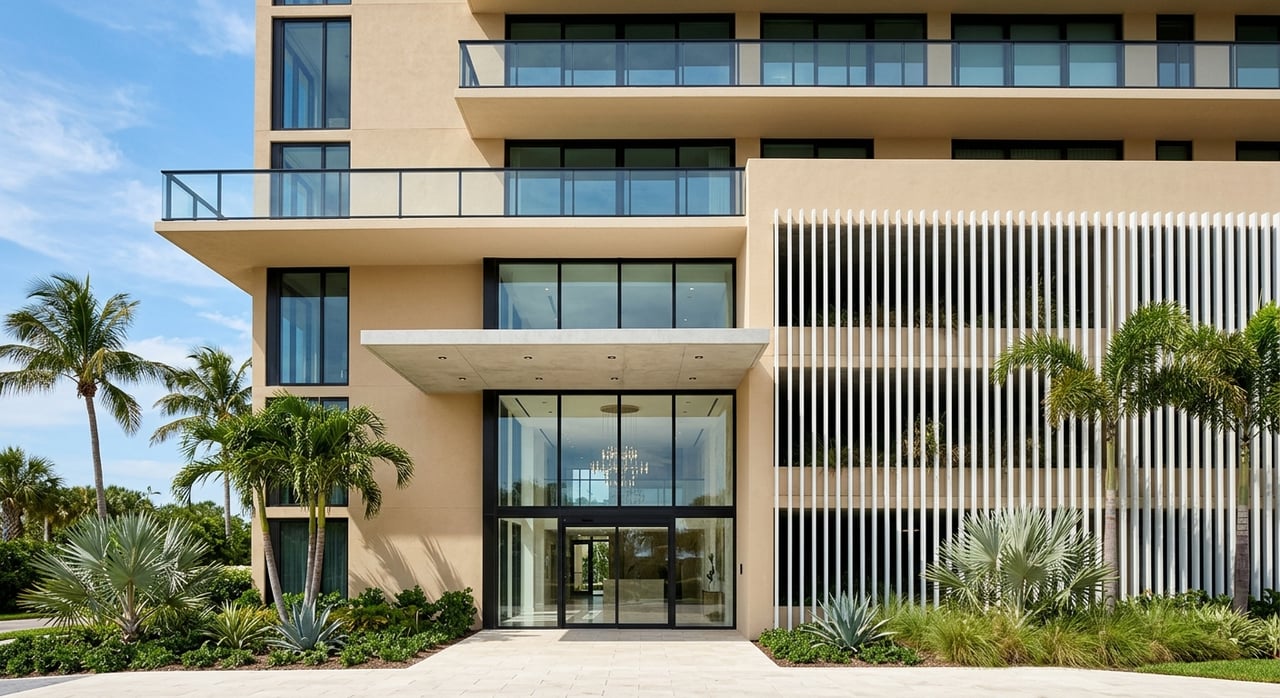
Buying a Luxury Condo in Tampa: Key Details to Review
April 16, 2026
April 16, 2026
If you are thinking about buying a luxury condo in Tampa, the sticker price is only part of the story. Your real decision is about lifestyle, monthly costs, building health, and long-term flexibility. When you know what to compare before you buy, you can move forward with more confidence and fewer surprises. Let’s dive in.
Luxury condos in Tampa sit well above the broader condo market, so it helps to understand the pricing gap before you start touring buildings. Redfin’s Tampa condo data shows a median listing price of $339K citywide, while Downtown Tampa condos are around $1.26M.
That difference matters because it reflects more than square footage. In Tampa’s luxury segment, buyers are often paying for location, views, services, amenities, and the convenience of a lock-and-leave lifestyle.
Before you compare floor plans or finishes, decide how you want your day-to-day life to feel. In Tampa, luxury condo buyers are usually choosing among a few distinct settings, and each one offers a different rhythm.
If you want a more urban experience, Downtown Tampa is often the strongest fit. The Tampa Riverwalk connects waterfront destinations like Armature Works, Curtis Hixon Park, Sparkman Wharf, and the Tampa Bay History Center, which gives this area strong appeal for buyers who value walkability, events, and easy access to dining and entertainment.
This part of the market tends to attract buyers who want to step outside and be close to the action. If that sounds like your style, downtown convenience may outweigh the tradeoff of a busier environment.
If you prefer something quieter, South Tampa and Bayshore often offer a more residential feel. In general, this segment of the luxury condo market is associated with larger residences, more privacy, and a less dense atmosphere than the downtown core.
For many buyers, that creates a different kind of luxury. Instead of prioritizing event density and nightlife, you may value a calmer setting, more private access, and a slower daily pace.
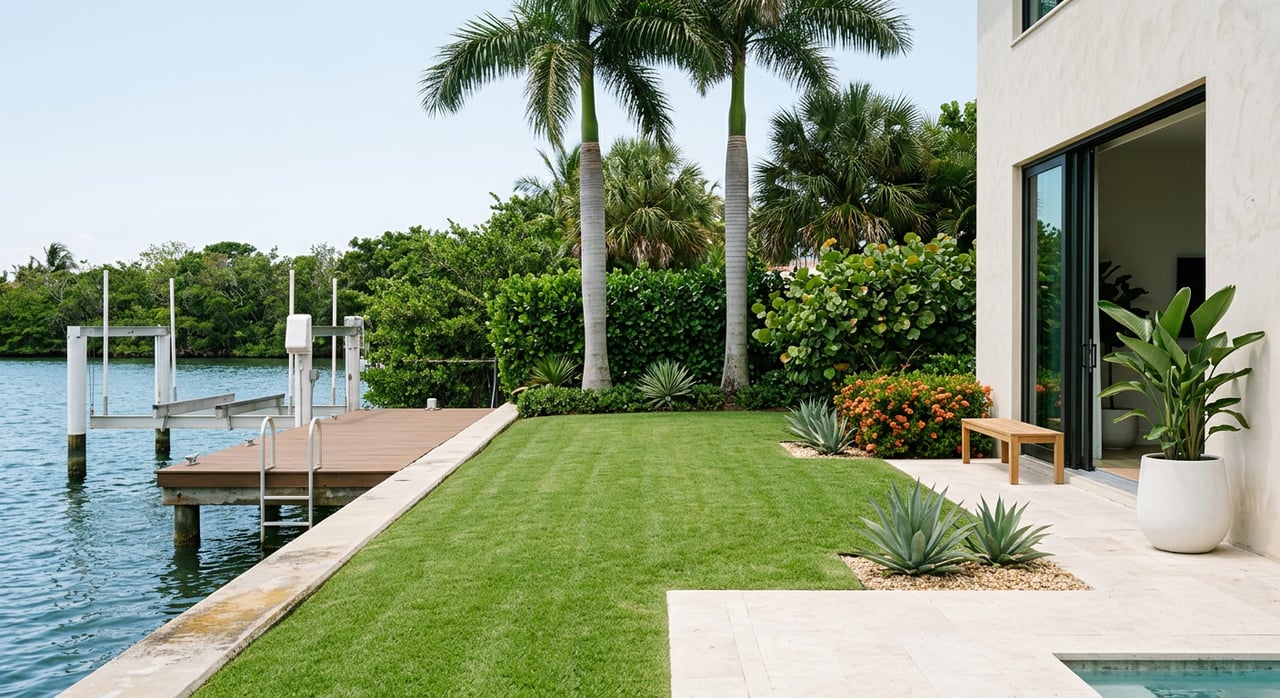
If boating or bay access is high on your list, west Tampa and marina-oriented communities may be worth a closer look. This style of property often appeals to buyers who want waterfront living with a more secluded feel while still keeping Tampa conveniences within reach.
This can be a strong middle ground if you want both city access and recreation. Rather than choosing between an urban tower and a beach-oriented area, you may find a lifestyle mix that better matches how you actually live.
Luxury condo amenities can look impressive on paper, but not every feature adds value for every buyer. The key is to compare amenities based on how you plan to use the home, not just how the marketing reads.
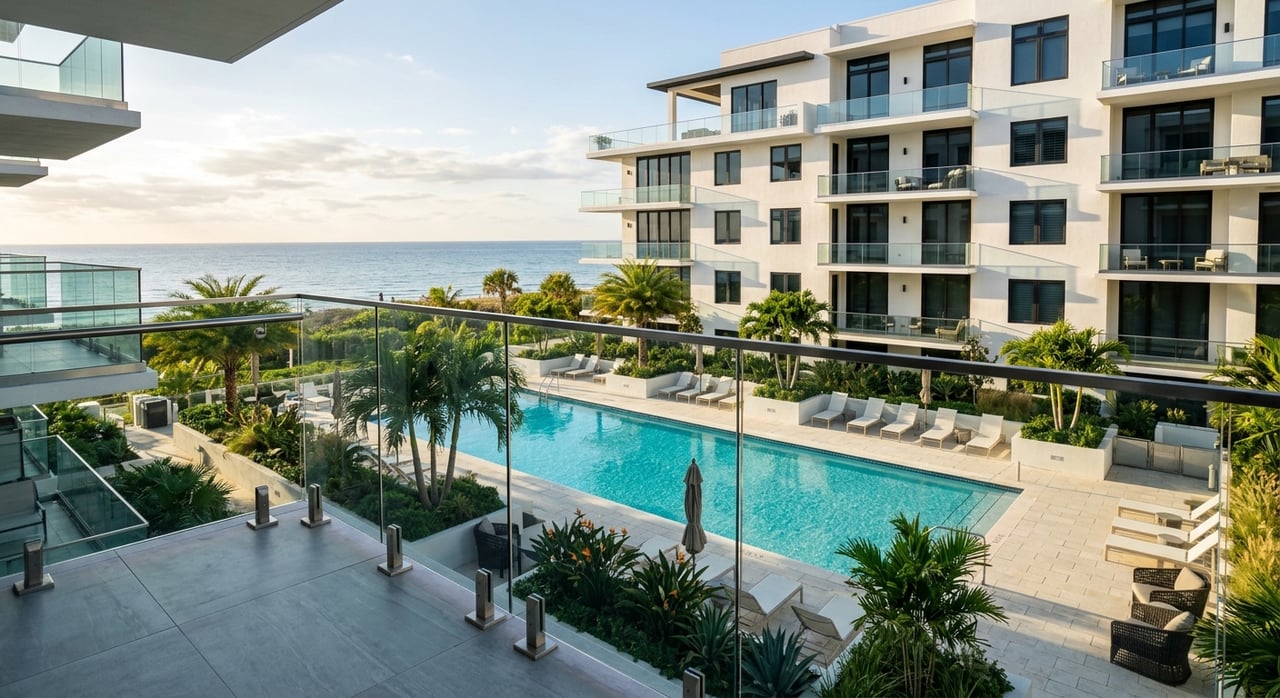
A recent AQUA at Westshore Yacht Club financing announcement offers a useful snapshot of the amenity level some Tampa luxury buyers expect. The project includes a rooftop sky-pool, bay-view fitness center, spa and steam rooms, concierge, valet parking, a pickleball court, golf simulator, movie theater, and kids’ area.
That does not mean you need every one of those features. It does mean you should ask which amenities you will actually use and which ones may simply add to your monthly carrying costs.
Focus on the features that affect everyday comfort and convenience, such as:
In Tampa’s luxury market, these details can shape your experience just as much as the unit itself.
In a luxury condo, the view is often a major part of the value. But “water view” can mean very different things depending on the building and the unit.
You should be specific about whether you are paying for bay views, skyline views, marina views, park views, or a more direct waterfront outlook. Those distinctions can affect both your enjoyment of the home and its future resale appeal.
A great question to ask is simple: What, exactly, will I see from the rooms I use most? A dramatic view from the lobby or rooftop is nice, but your daily experience comes from the residence itself.
One of the biggest mistakes luxury condo buyers make is focusing too heavily on the purchase price while underestimating the monthly cost of ownership. In Florida, condo dues deserve close attention.
According to Redfin’s 2024 HOA fee report, Tampa HOA dues rose 17.2% year over year to a median of $614 per month in summer 2024. The same report noted that Tampa condo prices were down 4.9% year over year at that time.
That combination is important. Even if you negotiate well on price, your total cost of ownership can still be heavily shaped by dues, insurance pressure, staffing, amenities, and building maintenance.
Redfin notes that HOA dues can help cover:
In a luxury building, that may also include higher-touch service elements, which is one reason monthly dues vary so widely from one property to another.
Low dues are not always good news. In some cases, they can signal that a building is underfunded or postponing necessary capital work.
The Florida Department of Business and Professional Regulation explains that reserve funding is a budgeting tool based on remaining useful life and replacement cost. For buildings subject to Structural Integrity Reserve Study requirements, associations cannot waive reserves for the structural items identified in the study, according to the DBPR condo FAQs.
That means you should look carefully at whether the association is planning for major expenses such as:
When you review a luxury condo, you are not just buying the unit. You are also buying into how the building manages its long-term obligations.
Florida’s condo-safety rules are especially relevant in Tampa because many luxury properties are high-rise buildings and some sit on the waterfront. Under Florida’s milestone inspection law, a building that is three habitable stories or more must have a milestone inspection by age 30, and by age 25 in some coastal or local situations, with repeat inspections every 10 years.
That rule matters because inspection history can reveal whether a building has stayed ahead of capital needs or deferred them. For older towers, this is one of the most important parts of your due diligence.
You should also know that DBPR guidance says Structural Integrity Reserve Study reports must be part of the association’s official records and provided to potential purchasers when applicable. That gives you a clearer window into the building’s condition and budgeting.
Before you make an offer, request the full disclosure package and read it carefully. Florida disclosure law requires documents such as the declaration, bylaws, management and maintenance contracts, estimated operating budget, covenants and restrictions, floor plan, and any applicable milestone-inspection summary or most recent SIRS, as outlined in Florida Statute 718.503.
Those papers tell you far more than the listing description ever can. They help you understand the financial picture, future obligations, and the rules that will shape daily life in the building.
Pay close attention to:
Florida’s official records law also requires associations to keep records such as budgets, financial reports, contracts, inspection reports, and building permits available for owners, which is part of why these documents are so valuable during your review.
In Tampa’s waterfront and high-rise market, two issues are easy to underestimate: special assessments and flood exposure. Both can affect your costs well after closing.
Florida’s condo disclosure statute specifically warns that homeowners insurance does not cover flood damage and encourages buyers to discuss separate flood insurance. If you are considering a waterfront or bayfront property, this should be part of your early review, not an afterthought.
Special assessments also deserve direct questions. If a building is responding to rising insurance costs, deferred repairs, or reserve funding changes, your future expenses may look different from today’s monthly dues.
Luxury buyers often focus on finishes, views, and services first, but building rules can have just as much impact on your satisfaction after closing. These rules also matter for future flexibility and resale.
Because the declaration, bylaws, and restrictions are part of the required disclosure package, you should check the policies that matter most to you before you commit.
Review the building’s approach to:
The point is not whether rules exist. It is how restrictive they are and whether they fit the way you plan to use the property.
The best luxury condo in Tampa is not the one with the longest amenities list. It is the one that aligns with how you want to live.
If you want walkability, events, and a more urban setting, Downtown Tampa and the Riverwalk area may be the right fit. If you want more privacy and a quieter daily pace, South Tampa or Bayshore may feel more comfortable. If you care most about boating and bay access, a marina-oriented property may make more sense.
That is why a smart condo search starts with priorities, then moves to buildings, then finally to specific units. When you work in that order, it becomes much easier to spot the right opportunity.
Buying a luxury condo in Tampa can be exciting, but it also calls for careful review of costs, records, rules, inspections, and lifestyle fit. If you want a thoughtful, low-stress approach to evaluating Florida luxury properties, Christine Spelman is here to help you navigate the details with clarity and confidence.

Let me help you find it. With access to top listings, a worldwide network, exceptional marketing strategies, and cutting-edge technology, I strive to make your real estate experience seamless, memorable, and enjoyable.