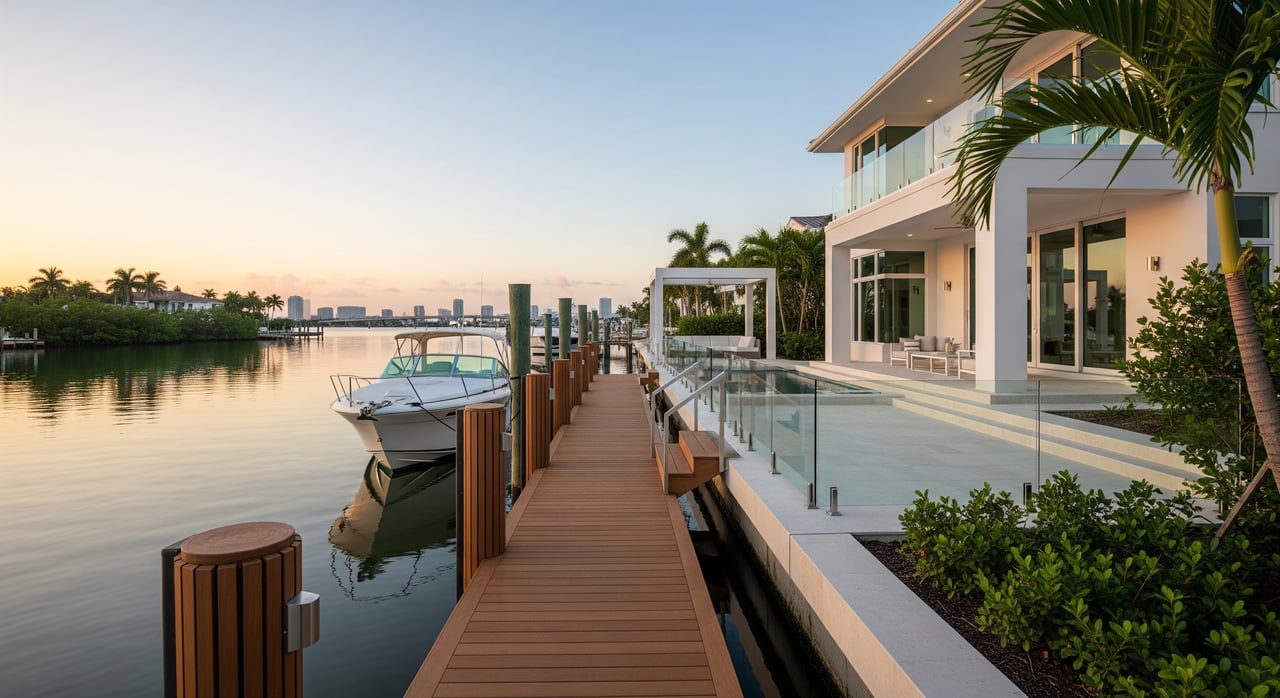
Inside the Venice Island FL Lifestyle & Housing
February 5, 2026
February 5, 2026
Ever wonder what it feels like to wake up to Gulf breezes, stroll to coffee on a palm-lined avenue, and end the day with a sunset on the pier? If you are weighing a move or second home on Venice Island, you want a clear picture of daily life, housing options, and the seasonal rhythm. This guide walks you through what to expect, from beaches and downtown to flood and HOA considerations, so you can decide with confidence. Let’s dive in.
Venice Island is the historic, walkable heart of the City of Venice, set between the Intracoastal and the Gulf of Mexico. You are close to U.S. 41 for easy access to the mainland and regional errands. The island’s layout brings the beach, pier, downtown blocks, and pocket parks into a compact, livable radius.
Life here moves at a relaxed coastal pace. You will see people biking, beachcombing, fishing, and lingering at sidewalk cafés. The winter season is busy with visitors and seasonal residents, while summers are quieter and warmer. Cultural offerings are strong for a small city, with local galleries, community theater, and regular outdoor events.
Venice is also known for fossilized shark tooth finds, which adds a fun local twist to beach days. Historic architecture shows up in bungalows and Mediterranean-influenced homes alongside newer infill and mid-rise condos.
Venice Municipal Beach is a daily favorite for swimming, sunbathing, and shelling. The Venice Fishing Pier draws anglers and sunset watchers and gives you a front-row seat to Gulf views. You can build your routine around morning walks on the sand, paddle sessions, or a quick dip after work.
If you have a dog, nearby Brohard Paw Park and its dog beach are popular with pet owners. Beyond the shoreline, you will find small neighborhood parks, waterfront promenades, and launch points for kayaks and paddleboards in the broader Venice area. Outdoor recreation is a big part of how people live here.
Downtown Venice, centered on Venice Avenue and its nearby blocks, is easy to explore on foot. You will find a range of cafés, restaurants, independent boutiques, art galleries, and service businesses. It is the kind of place where you can walk to dinner, browse a shop or two, and still make it to the beach for sunset.
For groceries and larger retail, plan to use nearby mainland stores and strip centers. There are also smaller convenience markets on or near the island for quick staples. The mix works well if you like to walk for daily errands and drive a short distance for bigger shops.
Venice Theatre serves as a major cultural anchor with frequent community productions. Throughout the year, downtown hosts seasonal events and markets that bring neighbors and visitors together. You can also branch out to Sarasota for additional museums and cultural institutions on easy day trips.
The arts scene scales well to the island’s size. You get regular programming without the hassle of a large city, and the walkable setting makes it simple to attend performances or gallery openings.
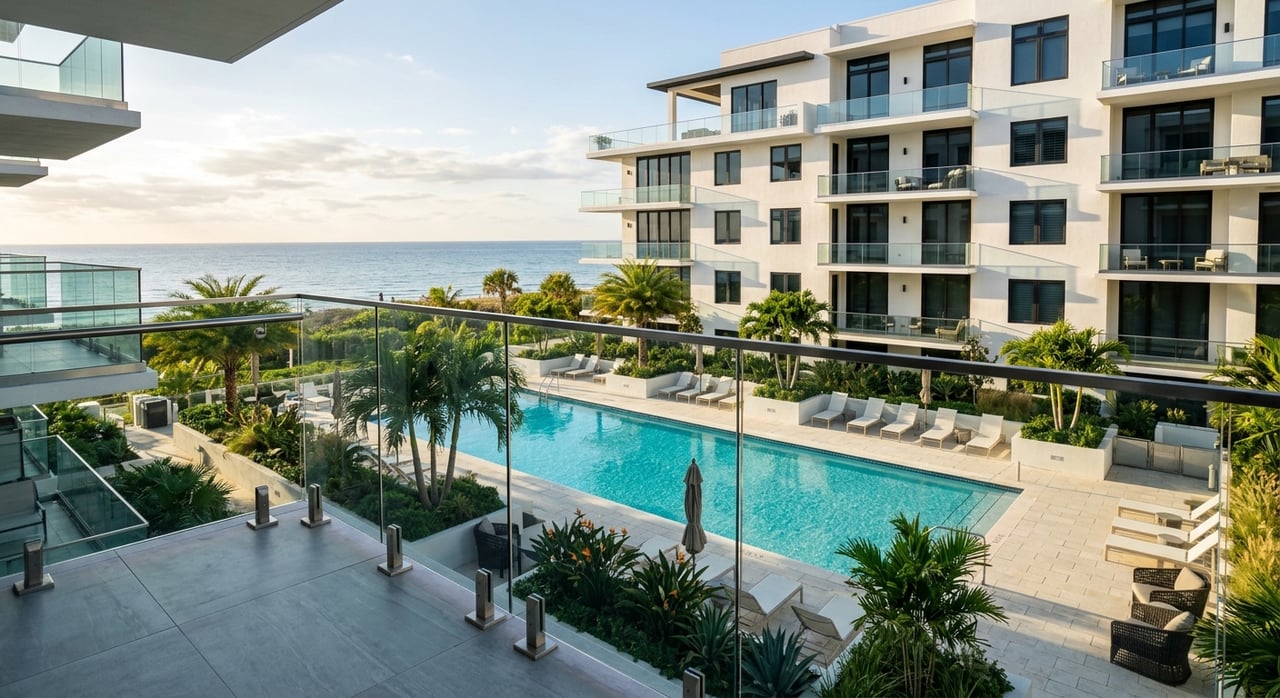
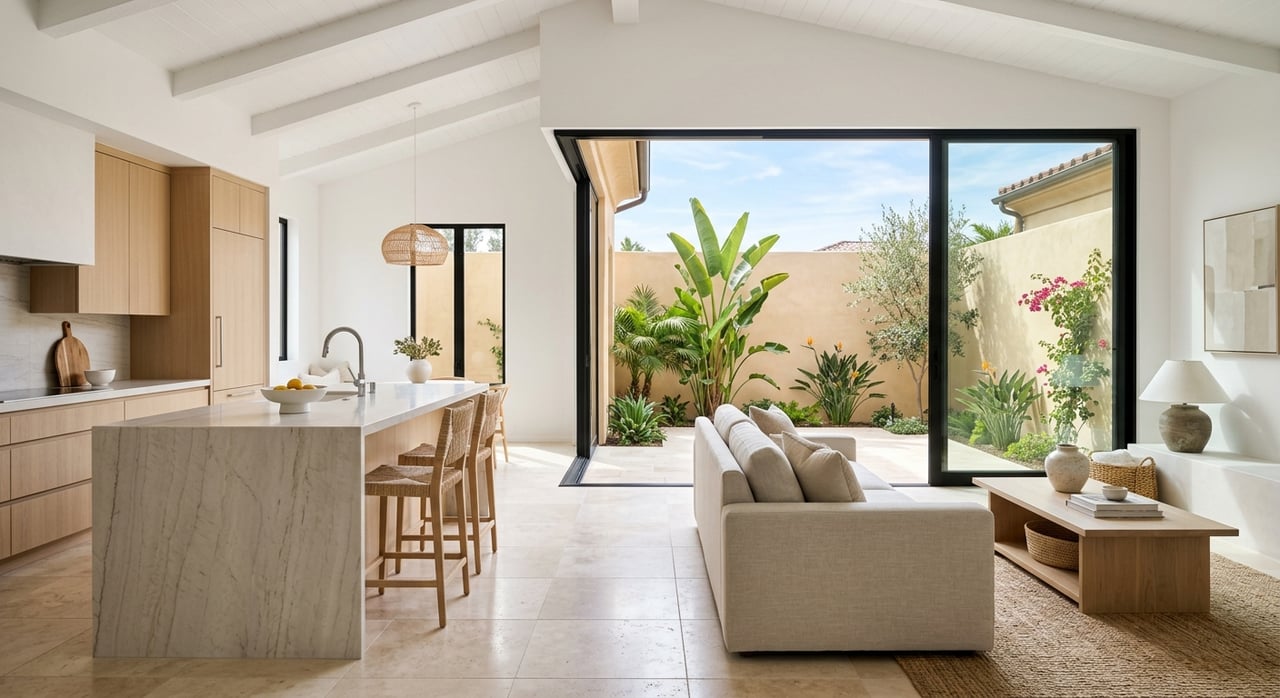
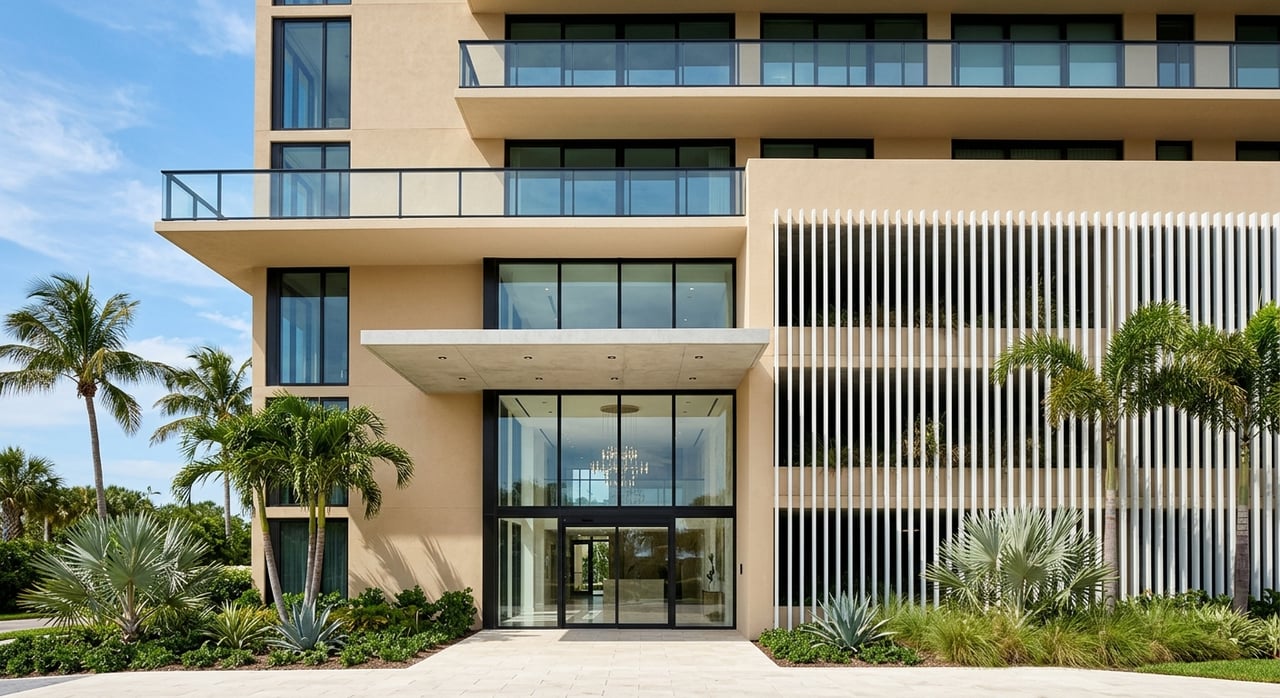
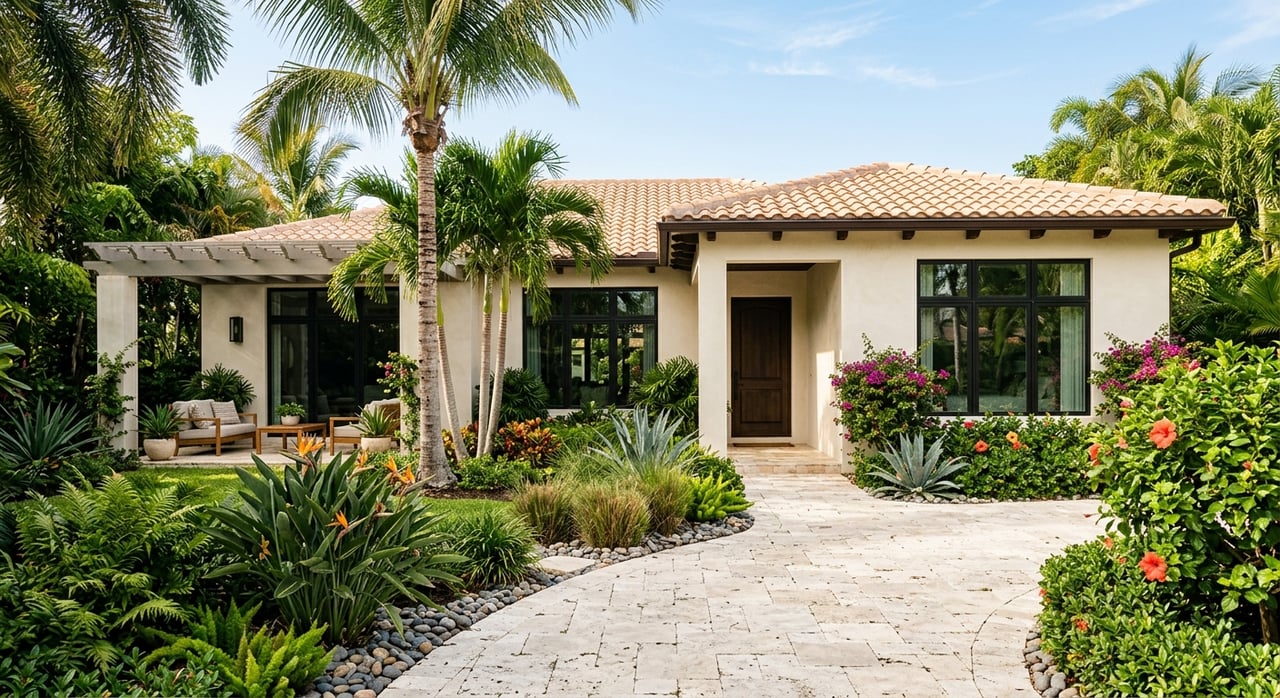
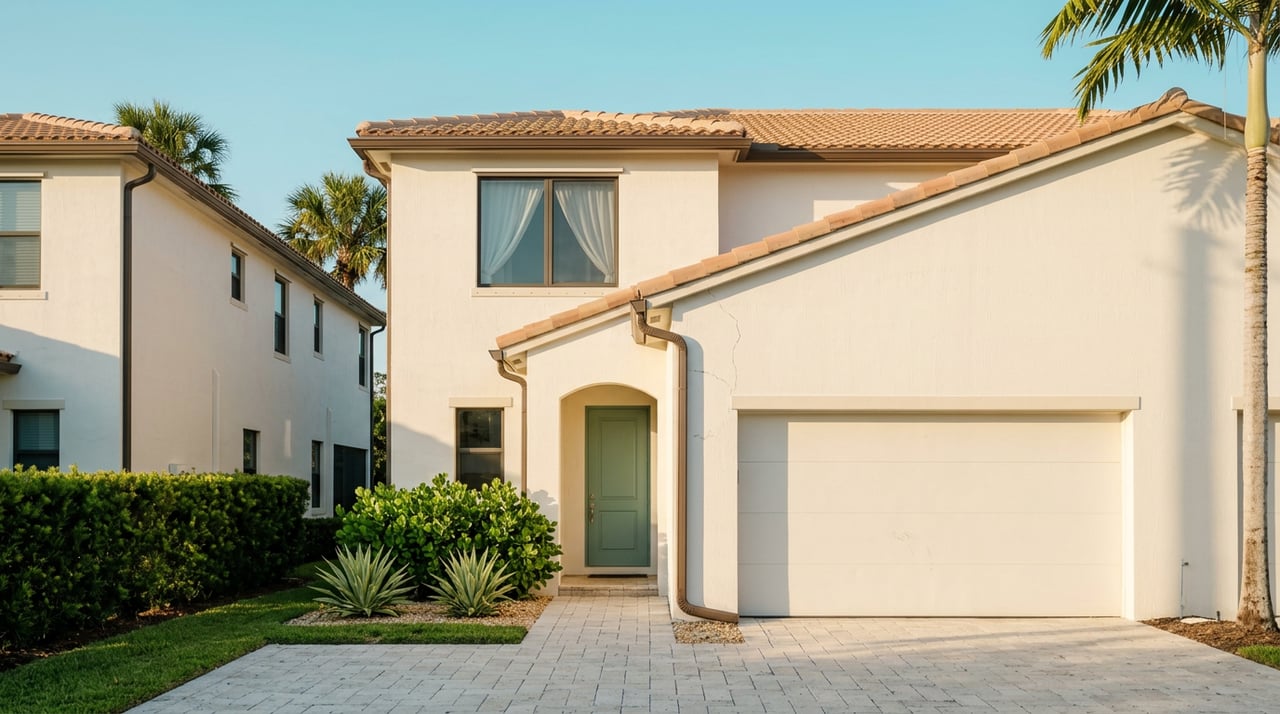
Housing on Venice Island spans charming older cottages, mid-century homes, and a broad range of low- to mid-rise condominiums. You will also see newer infill homes and renovations within historic neighborhoods. Lots tend to be smaller on the island compared to the mainland.
If you want minimal upkeep, lock-and-leave condos are attractive. They often include building maintenance and features like elevators or secured parking, depending on the complex. If you prefer more space or a yard, single-family homes will fit better, but plan for ongoing upkeep typical of coastal properties.
On the ownership side, review HOA fees, budgets, reserves, and rental rules for condos, especially if you plan seasonal use or future rental. For older single-family homes, budget for coastal-specific considerations, such as roof condition, flood mitigation, hurricane shuttering, and potential termite or moisture issues.
The island generally commands a premium compared to inland parts of the city due to walkability and proximity to the Gulf. Inventory leans toward condos and smaller-lot homes rather than large new subdivisions.
Walkability is a major perk. Many residents can walk or bike to the beach, dining, coffee, and small errands. During peak season and special events, parking gets tighter, so having assigned parking in a condo or on-site parking at a home is valuable.
For regional driving, U.S. 41 connects you north to Sarasota and south to North Port, with I-75 a short drive inland. Commute times vary by destination and time of year, and winter months can bring heavier traffic. The Sarasota-Bradenton International Airport is the primary commercial airport, typically a 20 to 40 minute drive depending on traffic. The Venice Municipal/Regional airport serves general aviation.
From roughly November through April, Venice Island sees a larger population and more visitors. Expect higher demand for restaurant reservations, longer lines, and fuller parking lots. In summer, the island becomes quieter, though heat and humidity rise. Tropical weather is a factor during hurricane season, which runs June through November.
This rhythm can be part of the appeal. Many residents enjoy the lively winter season and the calm, local feel of summer. It helps to experience both before you buy.
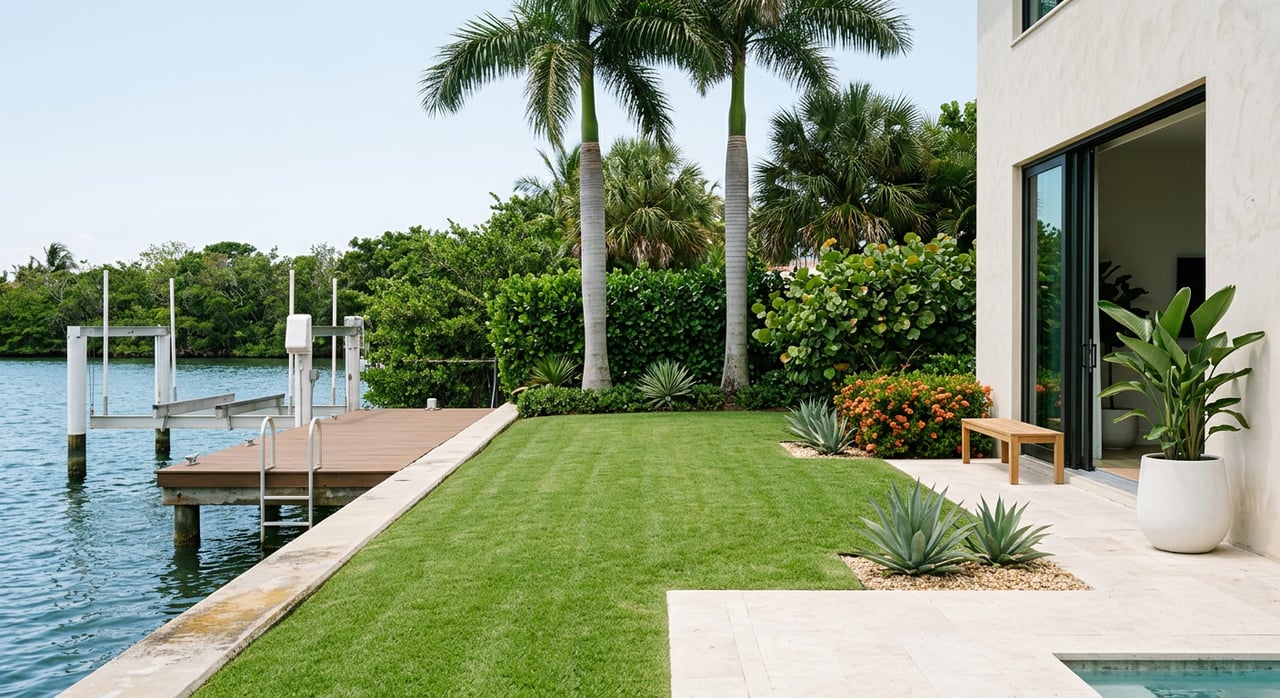
Parts of Venice Island are in FEMA-designated flood zones. If you are financing a home in a mapped flood zone, lenders commonly require flood insurance. Flood risk and storm surge potential vary by property based on elevation and location.
Before you buy, it is wise to gather flood and storm readiness information:
Being prepared helps you manage risk and insurance costs. For many owners, flood awareness is essential rather than a deal-breaker.
Venice Island suits buyers who want a walkable, beach-centric lifestyle in a compact, charming setting. Retirees and seasonal residents often value the convenience and condo options. Small families and professionals may also find the island appealing, though family-focused amenities are more extensive on the mainland. Investors should review local and HOA rental rules carefully, especially around seasonal demand.
Potential tradeoffs include seasonal crowding, limited yard space, and the maintenance needs of older homes. Flood and hurricane risk are part of coastal living, which can affect insurance and renovation planning.
Use this quick checklist to evaluate specific properties and fit:
Choosing the right home on Venice Island comes down to fit, risk tolerance, and how you want to live day to day. You deserve a guide who combines neighborhood insight with clear, data-informed advice on pricing, condition, and flood or HOA details. With boutique, high-touch service and an in-house appraisal partnership, Christine helps you compare options, negotiate with confidence, and streamline your move or second-home purchase.
If Venice Island sounds like your next chapter, let’s talk through timing, inventory, and your wish list. Connect with Christine Spelman to start your search today.
Let me help you find it. With access to top listings, a worldwide network, exceptional marketing strategies, and cutting-edge technology, I strive to make your real estate experience seamless, memorable, and enjoyable.