Lakewood Ranch Townhome vs House: How to Decide
March 5, 2026
March 5, 2026
Choosing between a townhome and a single-family home in Lakewood Ranch can feel like a coin toss. You have many beautiful villages, a range of price points, and different levels of maintenance to weigh. You want the lifestyle that fits your day-to-day, without surprises in monthly costs or resale value later. This guide breaks down real numbers, local examples, and practical steps so you can decide with confidence. Let’s dive in.
Lakewood Ranch is a large, master-planned community with multiple villages, on-site information resources, and walkable town centers like Main Street and Waterside Place. The community highlights dining, shopping, and event programming around these hubs, which shape the lifestyle in nearby neighborhoods. You can explore village overviews and builder options on the official site to get a feel for locations and amenities. If walkability to dining and events is a priority for you, start your search near Lakewood Ranch’s primary town centers.
As of early 2026, broad public data shows the overall Lakewood Ranch median sale price in the high 500s. Townhomes and villas generally start lower than detached homes, but there is overlap at the mid to upper tiers depending on the village, lot, and finishes. Inventory has improved compared with the 2021–2022 sprint market, so you may have more options to compare. Always check current MLS activity for the exact village and product you want.
Prices shift by village, builder, and lot. Use these examples as of Jan–Feb 2026 to frame your budget:
Bottom line: townhomes often have a lower entry price, while single-family homes offer more lot and living space. There is meaningful overlap in the mid to upper tiers, especially in high-amenity, walkable locations.
Monthly carrying cost is more than your mortgage. In Lakewood Ranch, HOA dues vary widely by village and product type. Some older or lower-amenity villages are near the low hundreds per month, while resort-style or elite club villages can exceed the mid hundreds per month. Always confirm the exact inclusions and amounts in the HOA resale packet before you write an offer.
Many villages also have a Community Development District, sometimes called a stewardship fee, that appears on your annual property tax bill. Typical ranges in recent summaries fall around 1,500 to 3,500 per year, depending on the village and homesite. Plan to add both HOA and CDD to your monthly affordability math and verify the exact numbers on the parcel tax record during due diligence.
If you see “maintenance included,” it often means the association covers exterior lawn care and irrigation, and sometimes exterior painting or roof maintenance for attached product. The inclusions vary by community and by whether the property is a condominium or in an HOA. Aurora and Waterside sub-villages note maintenance-included offerings on their official pages. Review Aurora’s community page and Emerald Landing’s overview to understand how these programs show up locally.
Florida law treats condos and HOAs differently, including who is responsible for exterior structures and common elements. If you are considering a condo, read the condo statute for context and rely on the recorded documents for specifics. You can review the statute language in Florida Statutes Chapter 718.103.
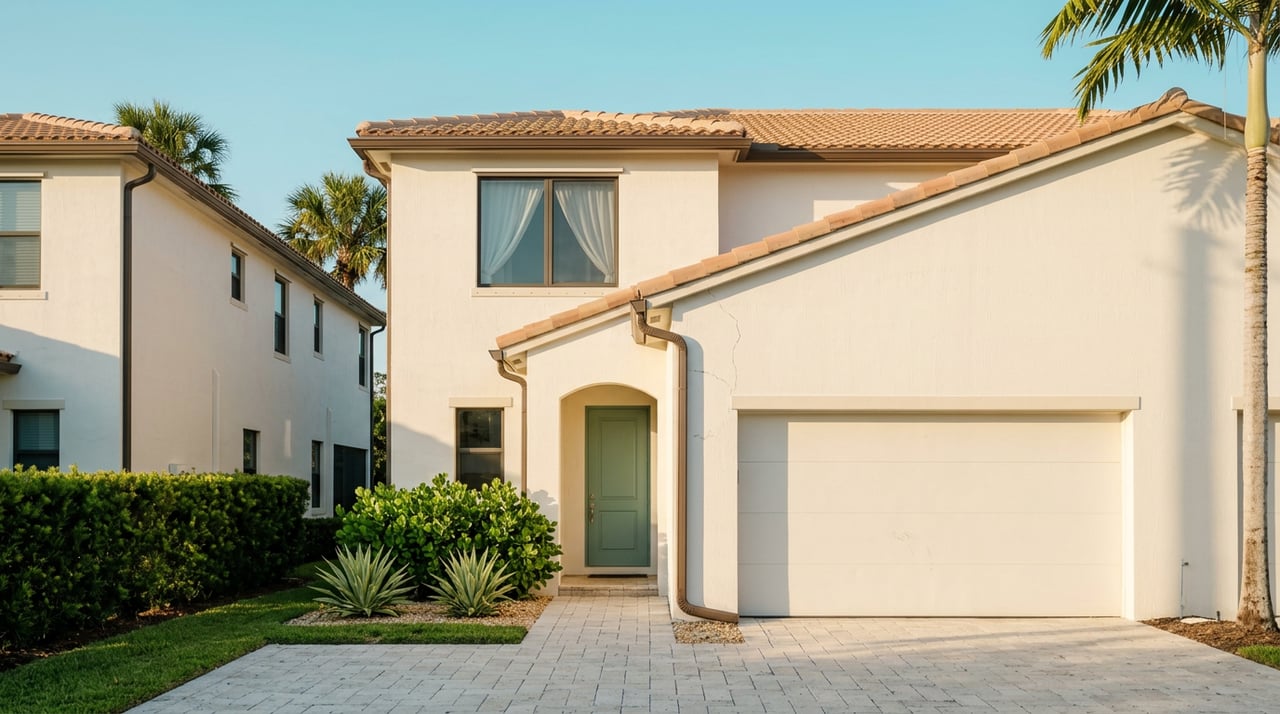
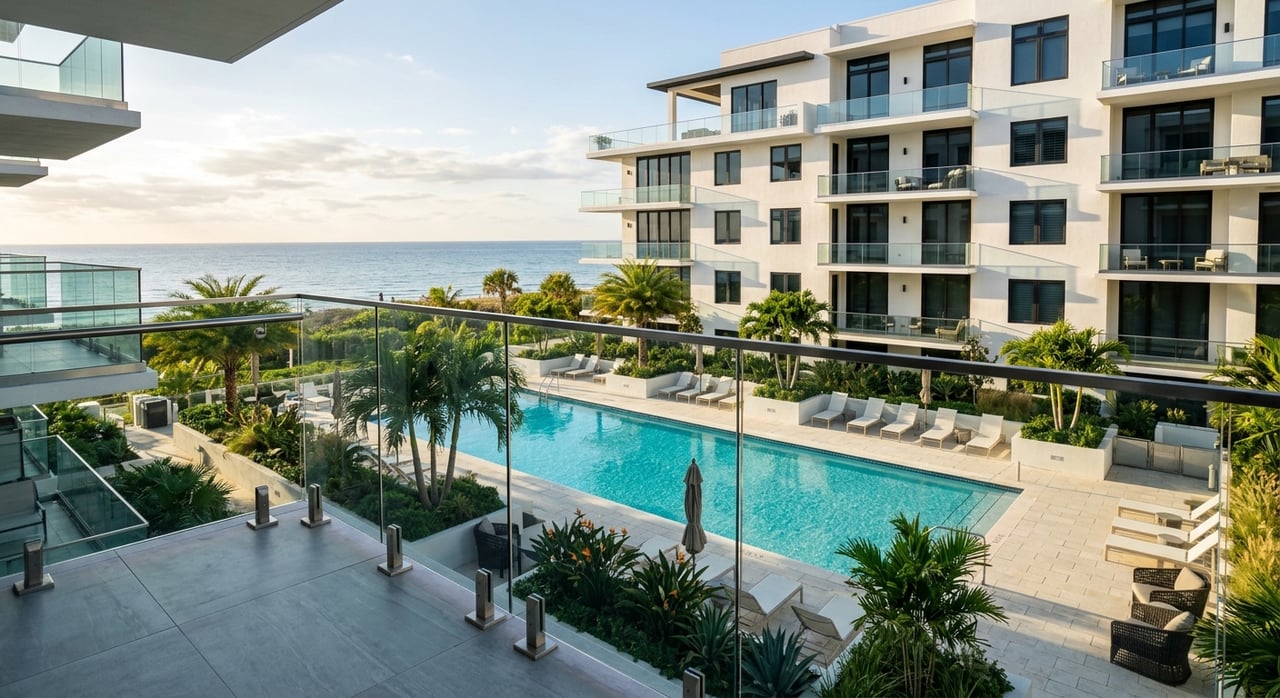
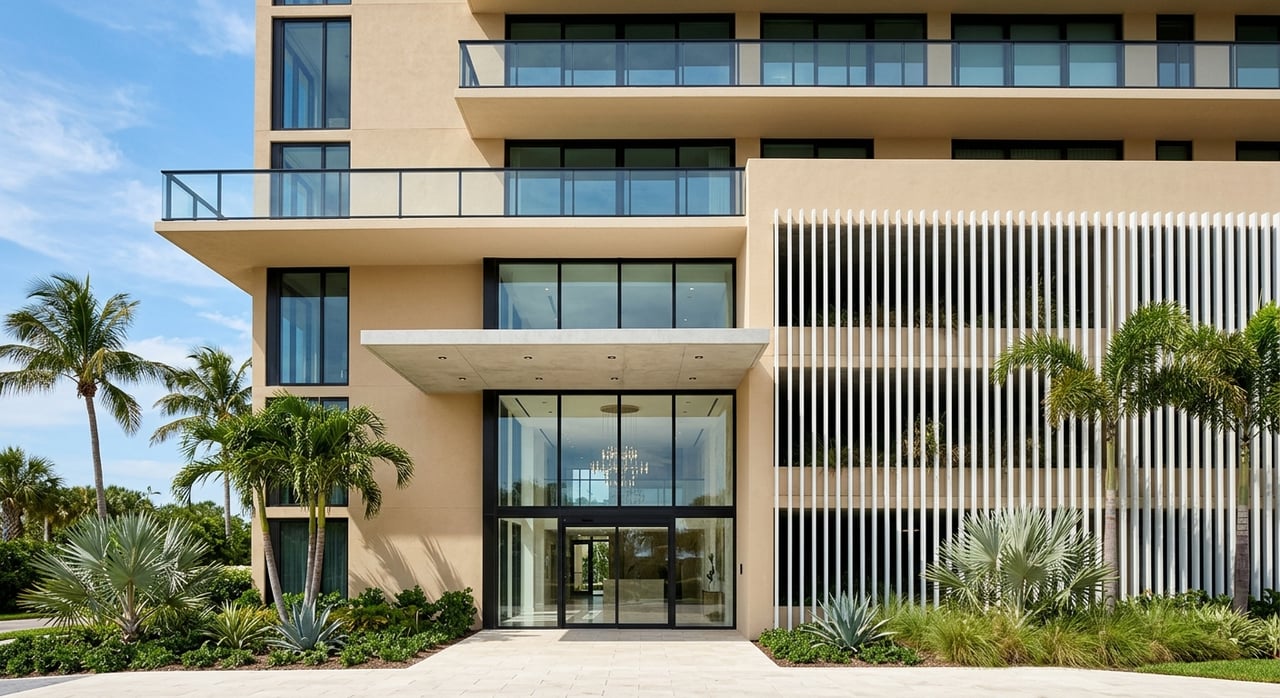
Townhomes often offer a lower-maintenance lifestyle with smaller private yards, shared walls, and efficient footprints across two or three stories. You will see this form factor near town centers, which can put you close to weekly events, dining, and retail. If you prefer to spend weekends out and about rather than mowing or managing a large yard, a townhome can be a strong fit.
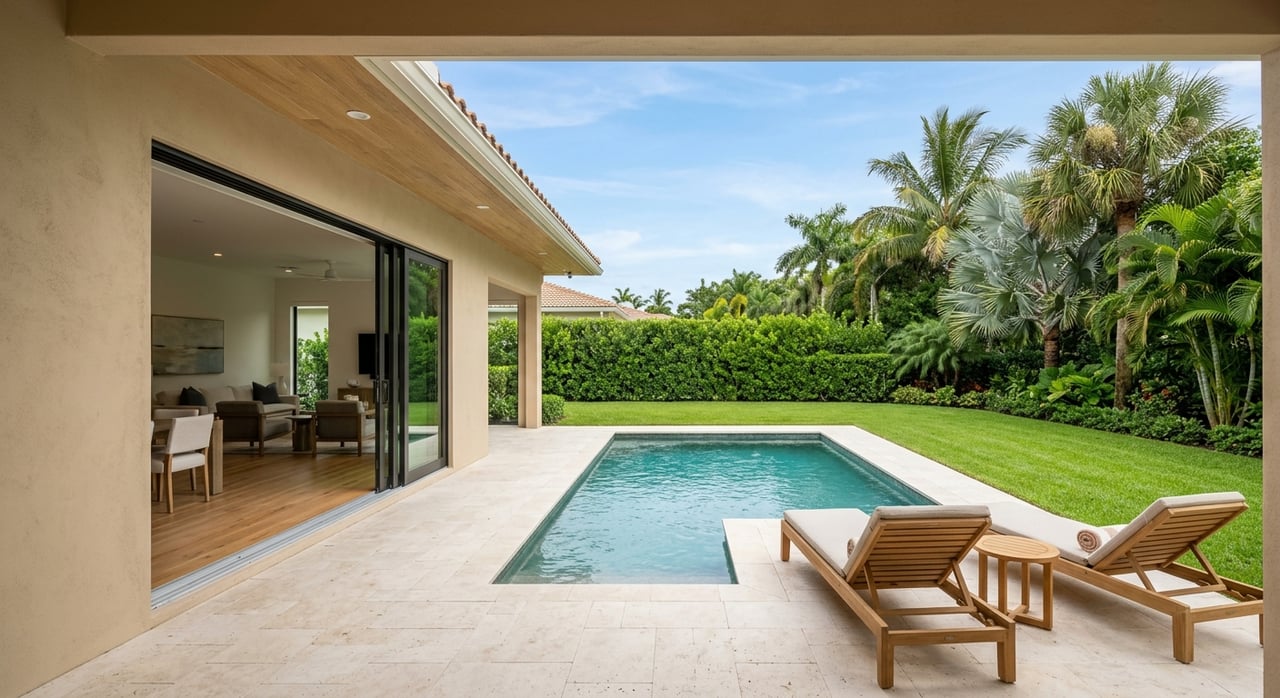
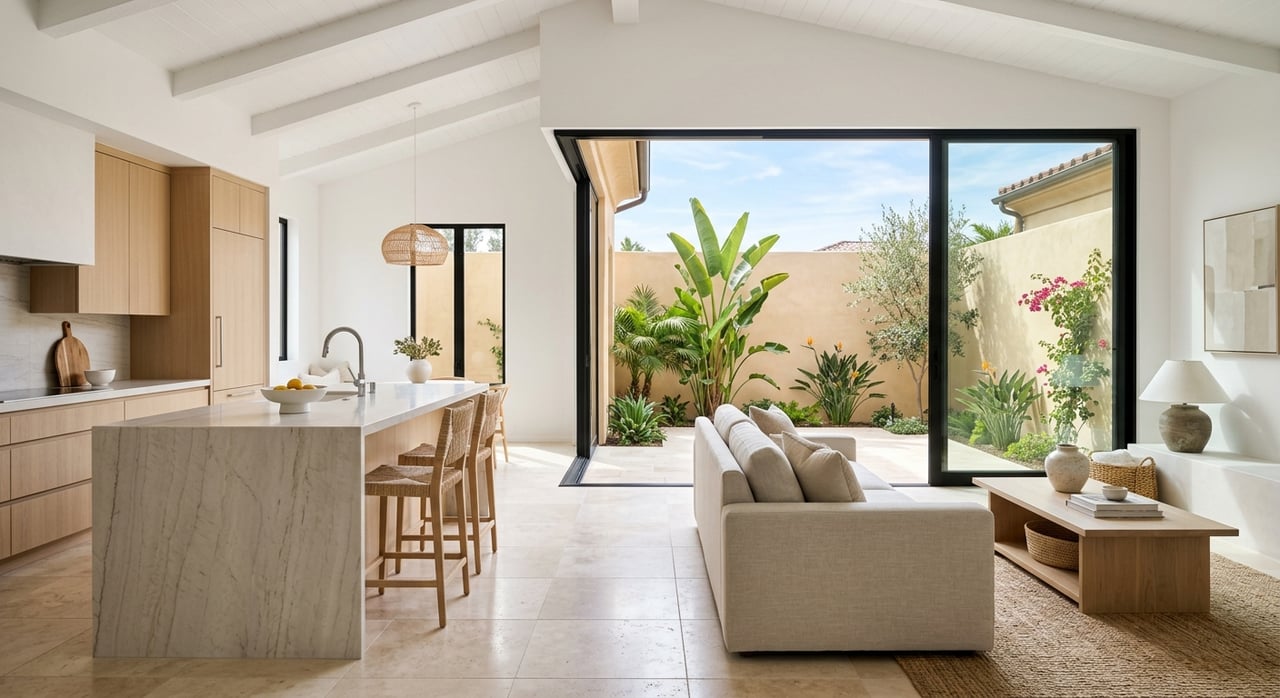
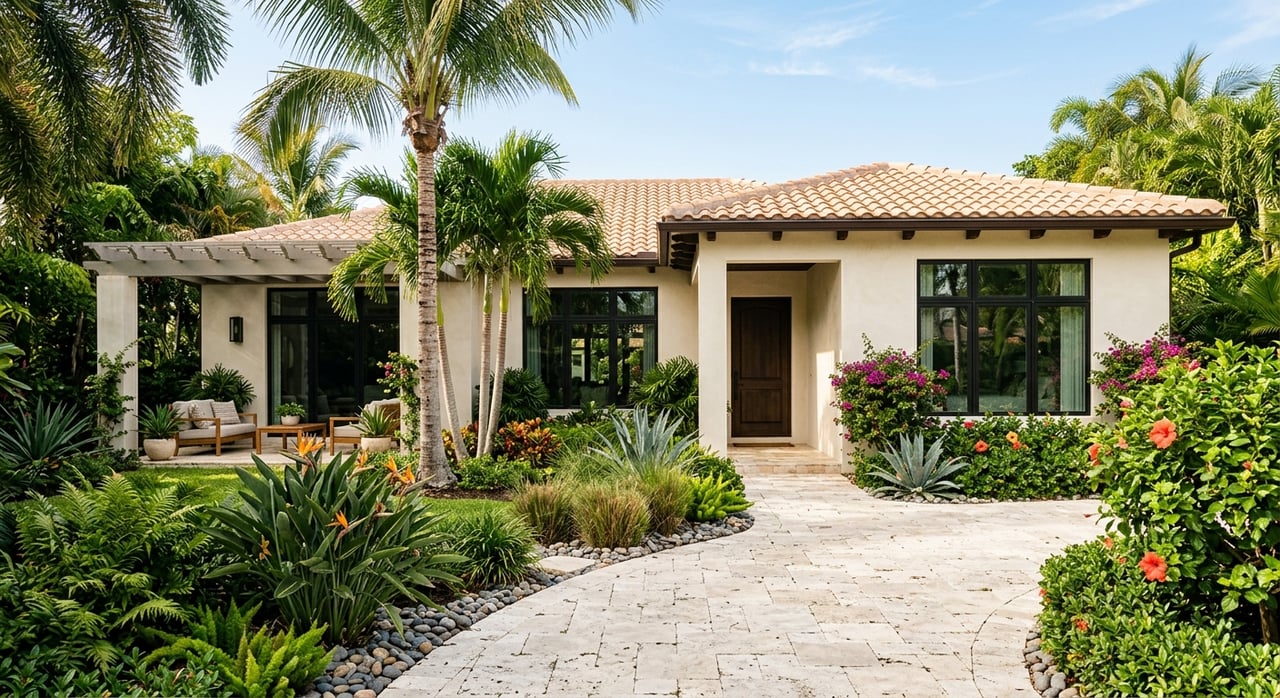
Detached homes typically give you more space inside and outside. That can mean room for a private pool, larger garage storage, and more flexibility for outdoor entertaining. If you want a backyard for play, pets, or gardening, or you simply value greater privacy, detached is often the better fit.
Lakewood Ranch offers both walkable urban-style nodes and resort-style gated villages. Townhomes near Main Street or Waterside Place tend to maximize walkability to restaurants and events, while many single-family villages focus on clubhouses, pools, sports courts, and larger parks. Consider how you like to spend weeknights and weekends, then choose a location that supports that routine. For an overview of the town centers and lifestyle programming, start with the community FAQ.
Florida’s insurance market has been evolving, with recent filings pointing to signs of stabilization. Premiums still vary by roof age, wind resistance features, and building codes. If you buy an attached unit or a condo, you will likely need an HO-6 policy to cover interior finishes and personal property to complement the master policy. Detached homes typically use an HO-3 policy. Recent reporting and expert guidance explain these differences well, including Florida insurance market trends and what an HO-6 policy covers vs HO-3.
Ask for the association’s master policy and the deductible so your agent can quote accurately. Large master deductibles can create special assessment risk for unit owners if a storm claim occurs.
If you plan to make the home your Florida primary residence, review the homestead exemption and portability rules. These can reduce your assessed value and limit annual assessment increases for future years. Learn the basics on the Manatee County Property Appraiser’s homestead page. Remember that CDD or stewardship fees commonly appear on the tax bill as separate line items. Verify them on the parcel record and add them to your monthly math.
Also check the property’s flood zone and elevation. Your lender may require separate flood insurance in certain zones. The FEMA Flood Map Service Center is a good place to start your review.
Use this quick checklist before you commit to a property. It is worth printing.
Request the HOA or condo resale packet and estoppel early, and confirm exactly what dues cover and whether any special assessments are outstanding or planned. This can help prevent closing delays. Learn why timing matters in this short guide to Florida HOA estoppels.
Ask for the association’s master insurance policy. Confirm the master deductible and whether coverage is walls-in or walls-out, then match your HO-6 or HO-3 accordingly. See an overview of HO-6 condo coverage basics.
Verify CDD or stewardship fees on the parcel’s tax record and add the annual amount to your monthly affordability. These charges are often on the tax bill rather than the millage statement.
Review the latest association financials, budget, and reserve study. If it is a condominium, understand any structural integrity reserve study requirements and recent legislative updates that impact reserves and assessments. This 2025 Florida legislative update is a helpful primer.
Get a local homeowners and flood insurance quote, including wind or hurricane endorsements as applicable. Check the property’s flood zone on the FEMA Flood Map Service Center.
Confirm school assignment with the district and note any planned schools that may affect neighborhood demand. Verify the specific parcel’s zoning and school boundaries during due diligence.
Check rental rules in the governing documents if you plan to rent the home. Florida law treats changes to leasing restrictions differently for condos and HOAs, and recorded declarations control how rules apply. For condo definitions and terms, review Florida Statutes Chapter 718.103.
For new construction, confirm builder warranties, expected delivery timeline, and any temporary HOA or CDD rules while the developer controls the association. You can see which builders are active locally on the Lakewood Ranch builders page.
If you want low maintenance and walkability to restaurants and events, a townhome near Main Street or Waterside can be a great match. If you value privacy, a yard, and room to grow, a detached home often delivers the lifestyle you want. In both cases, compare total monthly cost, not just list price, and verify HOA, CDD, insurance, and tax details early.
If you would like a local walkthrough of villages that fit your budget and lifestyle, reach out to Christine Spelman. With appraisal-informed guidance and neighborhood expertise, she will help you compare options with clarity and move forward with confidence.
Let me help you find it. With access to top listings, a worldwide network, exceptional marketing strategies, and cutting-edge technology, I strive to make your real estate experience seamless, memorable, and enjoyable.