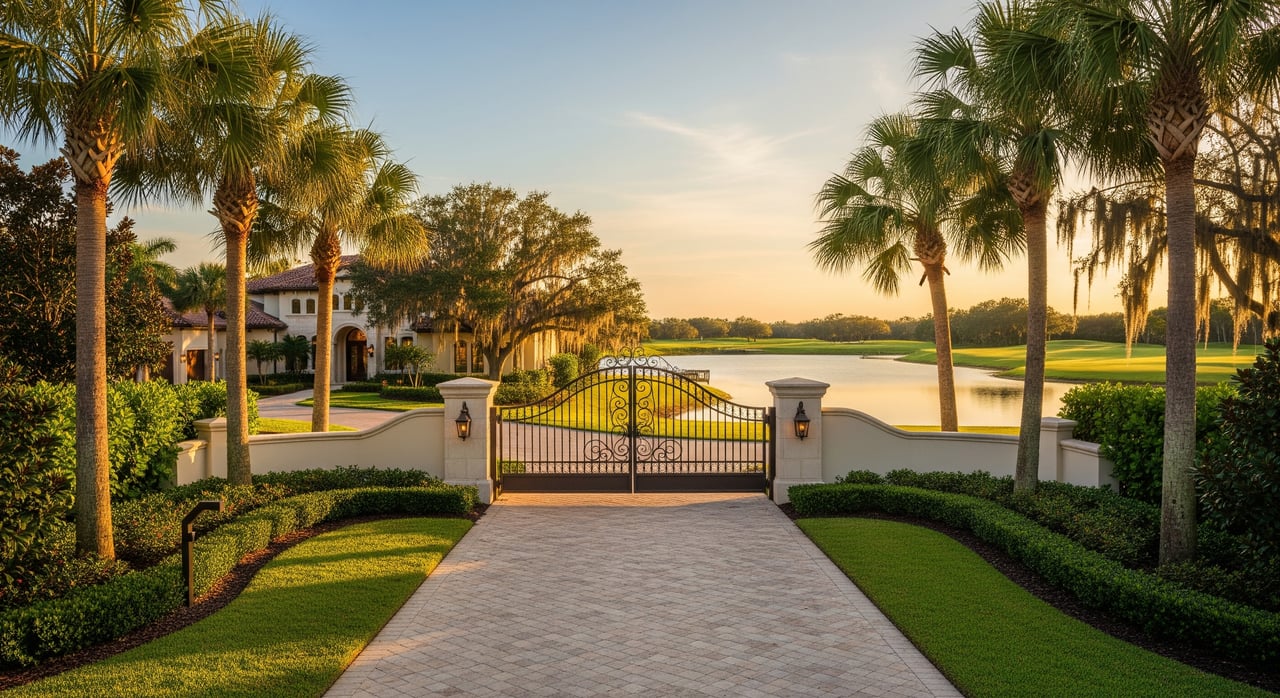
Thinking about a gated community in Lakewood Ranch but not sure where to start? You’re not alone. With multiple villages, layers of amenities, and different gate models, it can be hard to compare apples to apples. In this guide, you’ll learn how to evaluate security, lifestyle fit, HOA and CDD costs, and everyday rules so you can choose a community that truly works for you. Let’s dive in.
Know your gated options
Lakewood Ranch spans parts of Manatee and Sarasota counties with many named villages and private neighborhoods. Some sections are gated, while others are open. Even within one village, different enclaves can follow different rules.
You’ll see a few common gated-neighborhood types:
- Luxury private-club or golf communities: Typically staffed gates, higher-end homes, and separate club memberships for golf and dining.
- Active-adult or 55-plus neighborhoods: Age-restricted with resort-style pools, fitness, social programming, and low-maintenance options.
- Family-focused gated subdivisions: Single-family homes with privacy and amenities like playgrounds, pools, and trails.
- Small gated enclaves: Townhomes, villas, or custom homes behind a gate, often with fewer amenities and lower dues.
Examples you may encounter include private-club options like The Lake Club, and active-adult builders such as Del Webb at Lakewood Ranch or Cresswind. Always confirm the specific neighborhood’s current gated status, membership requirements, and rules before you commit, since these can change by section and over time.
Security and access tradeoffs
Gated access comes in different models. Understanding them helps you balance privacy, convenience, and cost.
Common access-control setups:
- Staffed guard gate: Highest level of human-controlled entry, often 24/7 or set hours.
- Electronic gates with codes, fobs, or remotes: Widely used and typically less expensive to operate.
- Camera-only or automatic gates: Monitoring without on-site staff; may include on-call support.
- Supplemental patrols: Some communities add private security or neighborhood watch programs.
What this means day to day:
- Visitors and vendors: Many communities require pre-registered guests, temporary passes, or special vendor procedures. Ask about ride-share drivers, landscapers, and deliveries.
- Emergency access: Gates should allow prompt entry for fire, EMS, and police. Confirm documented protocols and features like Knox Boxes or automatic opening for responders.
- Deliveries: Package carriers might need gate access or may leave items at a clubhouse. Understand the typical process so your online orders arrive smoothly.
- Privacy vs convenience: Gated entry often reduces through-traffic, but it can add a few minutes for guests or contractors during peak times.
Key questions to ask on tour:
- Who staffs and manages the gate, and during what hours?
- How do guests, deliveries, and contractors gain entry?
- How is emergency access handled and documented?
Amenities and lifestyle fit
Amenities affect your daily routine and future resale appeal. List your must-haves and nice-to-haves before comparing neighborhoods.
Amenity categories to compare:
- Recreational: Pools and lap pools, fitness centers and classes, tennis or pickleball courts, golf and practice facilities.
- Social and club spaces: Clubhouses, dining, event rooms, and hobby studios.
- Outdoor infrastructure: Trails, boardwalks, lakes, dog parks, parks and playgrounds.
- Services: Landscaping and irrigation, gate operations, on-site management, shuttle services, and maintenance.
Match by buyer profile:
- Families: Look for playgrounds, multi-age programming, and convenient routes to schools and parks. Confirm current school zoning and commute times for your daily needs.
- Active retirees and 55-plus buyers: Check for low-maintenance options, age-restriction details and guest rules, robust social calendars, and nearby healthcare.
- Luxury and lifestyle seekers: Private golf, dining, concierge-style services, and stricter architectural controls may matter. Verify club initiation fees and ongoing dues.
Proximity and access:
- Lakewood Ranch sits near the Sarasota-Bradenton metro area with reasonable access to I-75, Sarasota-Bradenton International Airport (SRQ), and regional job and dining hubs. Drive times vary by neighborhood and time of day, so test your typical routes.
Healthcare:
- The area has expanding medical centers and specialty clinics nearby. If you have specific providers, map drive times before deciding.
HOA, CDD, and club costs
Fees and governance shape your costs and your experience. Plan to verify them for any home you consider.
Layers of governance you may see:
- Master association: Manages master-planned infrastructure and shared areas.
- Sub-association or HOA: Handles neighborhood items like gates, landscaping, lighting, and amenities.
- Club organizations: Separate entities for country clubs and golf, with their own dues and rules.
- Community Development Districts (CDDs): Public units that fund infrastructure through assessments in addition to HOA dues.
Typical fee types and what they may cover:
- HOA dues: Gate operations, common-area maintenance, amenities, reserves, and sometimes trash or cable. Amounts vary widely.
- Club initiation and dues: Separate fees for golf and dining access in luxury communities. Initiation can be a significant one-time cost.
- CDD assessments and special assessments: Assessments repay infrastructure bonds; special assessments can cover unexpected needs.
- Reserves: Healthy reserves reduce the risk of special assessments. Ask for the latest reserve study.
Rules that affect daily life:
- Architectural controls: Expect design standards, color palettes, and approval processes for exterior changes.
- Rental and occupancy: Some restrict short-term rentals or set minimum lease terms. Age-restricted communities enforce 55-plus rules.
- Pet policies: Size, number, or breed limits may apply.
What to request before you buy:
- Current HOA and CDD amounts, budget, and recent financials.
- Reserve study, most recent board meeting minutes, and governing documents.
- Details on any pending special assessments and capital projects.
- Clarification of HOA insurance vs homeowner responsibilities.
Local context to confirm:
- Jurisdiction: Parts of Lakewood Ranch lie in Manatee County and parts in Sarasota County. Confirm the address’s county, taxing district, and services.
- Hazards: Check FEMA flood maps and ask about drainage and stormwater systems. Verify any flood insurance requirements.
Your tour checklist
Bring this list to each community so you can compare consistently.
Access and security
- Is the gate staffed 24/7? If not, what are the hours and after-hours procedures?
- How are guests, deliveries, and contractors processed? Any limits on vendors or ride-shares?
- Who maintains gates and cameras, and how often are they inspected?
- How do emergency responders access the neighborhood?
Amenities and operations
- Which amenities are included in HOA dues? Which require extra fees or a separate membership?
- Hours for pool, fitness, tennis/pickleball, and clubhouse.
- Are classes or social programs included, and who runs them? Any signup or reservation process for courts or event spaces?
Financials and legal
- Current HOA and CDD amounts and how often they are billed.
- Size of the reserve fund and the date of the most recent reserve study.
- Any planned special assessments or capital projects in the next 12–36 months.
- Copies of CC&Rs, bylaws, rules, and recent meeting minutes. Any pending HOA litigation?
Property and maintenance
- Which exterior tasks are included: lawn, irrigation, pest control, roof, painting?
- Any design restrictions or required vendor lists for landscaping and exterior work?
- Who maintains private roads and street lighting? Are utilities above or below ground?
Occupancy and resale
- Age restrictions or minimum occupancy rules for 55-plus communities.
- Rental policies, including minimum lease terms and short-term restrictions.
- Transfer or resale certificate fees at closing and required lead times.
- Historical resale activity and typical time on market within the enclave.
Practical living
- Confirm school zoning and distances to assigned schools with the county.
- Typical commute times to I-75, SRQ, downtown Bradenton and Sarasota.
- Flood zone screening and availability of elevation certificates.
- Internet and cable providers and any planned infrastructure upgrades.
How to narrow your shortlist
Start with your non-negotiables. Decide if you prioritize privacy and club services, low-maintenance living, or family-friendly amenities. Then sort by monthly cost, including HOA, CDD, and any club dues. Finally, test drive your routes at typical times and walk the amenities to see how they feel in real life.
Use a simple scorecard:
- Security model and guest access: Does it match your comfort and routine?
- Amenities and programming: Are your must-haves included in dues?
- Total monthly and annual costs: HOA, CDD, and club fees.
- Rules and flexibility: Architectural approvals, rental limits, pet policies.
- Location fit: Drive times, healthcare and services, and daily conveniences.
How I help you compare
Choosing among gated communities is easier with local guidance and a clear process. As a Lakewood Ranch-focused agent, I help you verify the exact gated status for each enclave, confirm current fees, and request the right documents before you decide. You’ll get a practical comparison that factors in lifestyle fit, financial health, and the rules that shape daily life.
If you’re relocating, I can coordinate virtual tours and line up community visits around your schedule. If you’re selling and buying, we’ll pair pricing strategy with timing and prep so you can move with confidence.
Ready to find the right gated fit in Lakewood Ranch? Connect with Christine Spelman for a friendly, data-informed consultation tailored to your goals.
FAQs
What should I compare first when choosing a gated community in Lakewood Ranch?
- Start with access model, amenities included in dues, total monthly costs (HOA, CDD, club), and rules that affect daily life like rentals, pets, and architectural approvals.
How do HOA and CDD fees work in Lakewood Ranch gated neighborhoods?
- HOA dues cover operations like gates, common areas, and amenities, while CDD assessments fund infrastructure; both vary by community, so confirm current amounts and what they include.
Are all Lakewood Ranch villages gated or age-restricted?
- No; some villages have gated sections while others are open, and only certain communities are age-restricted—verify the specific enclave’s status and rules.
How do gated communities handle guests, vendors, and deliveries?
- Procedures vary, but many require pre-registered guests, temporary passes, or vendor protocols; ask about ride-share, package carriers, and contractor access.
What documents should I review before making an offer in a gated community?
- Request the HOA budget and financials, reserve study, CC&Rs, bylaws, rules, recent board minutes, current assessments, and any notices about special assessments or capital projects.
Do gates reduce insurance premiums or crime in Lakewood Ranch?
- Gates can affect perceived security and resale appeal, but actual effects vary by operations and enforcement; confirm local crime data and ask your insurer about any premium impact.
How can I check school zoning and county services for a specific address?
- Because Lakewood Ranch spans Manatee and Sarasota counties, verify the property’s county, taxing district, and current school assignment directly with the appropriate county resources.