Jumbo Loans in Tampa: 2025 Limits, Rates & What to Expect
December 18, 2025
December 18, 2025
Shopping above the standard loan limits in Tampa can feel complex. You want clear numbers, realistic timelines, and a plan that avoids surprises with condos, insurance, or appraisals. This guide explains how jumbo loans work in Hillsborough County, what lenders look for, how rates are priced, and the local property factors that can affect your approval and budget. You will also get a practical checklist and timeline so you can move forward with confidence. Let’s dive in.
A jumbo loan is a mortgage amount that is higher than the conforming loan limit set each year by the Federal Housing Finance Agency for your county. Conforming loans can be sold to Fannie Mae or Freddie Mac, while jumbo loans are typically kept by lenders or sold to private investors.
To confirm whether your target price point in Tampa requires a jumbo loan, check the current Hillsborough County limit using the FHFA’s official lookup tool. You can find the exact current-year limit by using the FHFA conforming loan limit lookup. For the most accurate number, verify it before you write an offer using the FHFA conforming loan limit lookup.
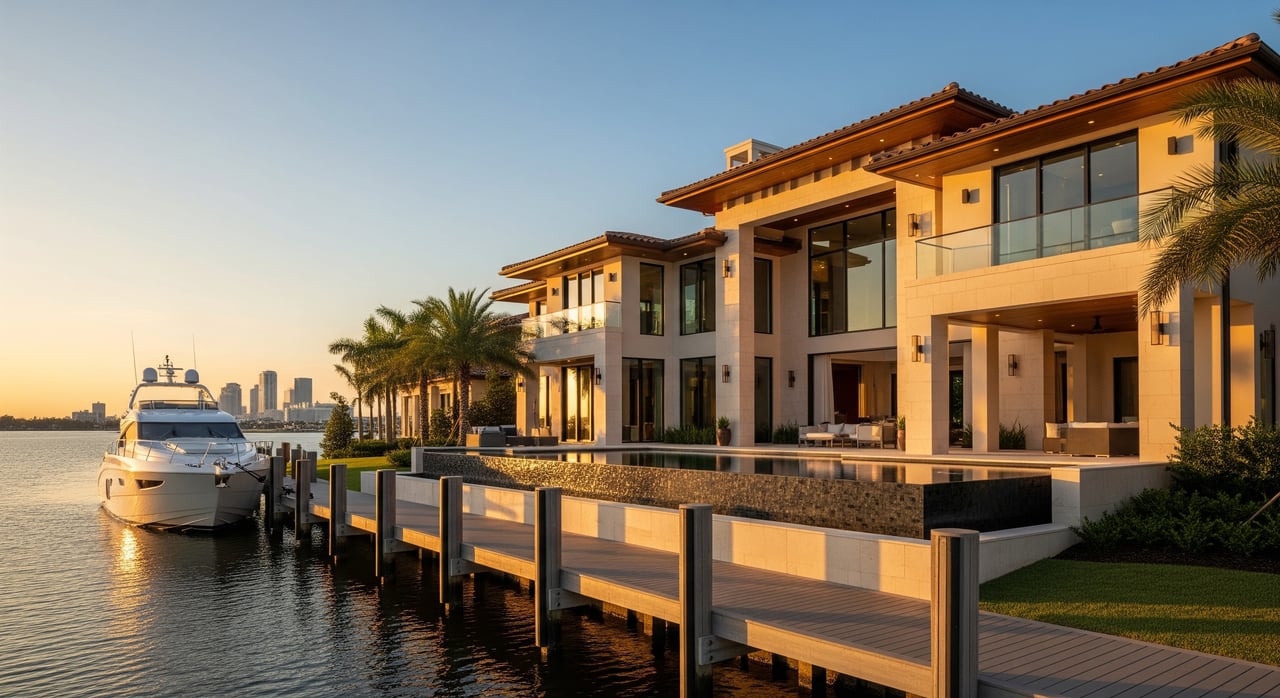
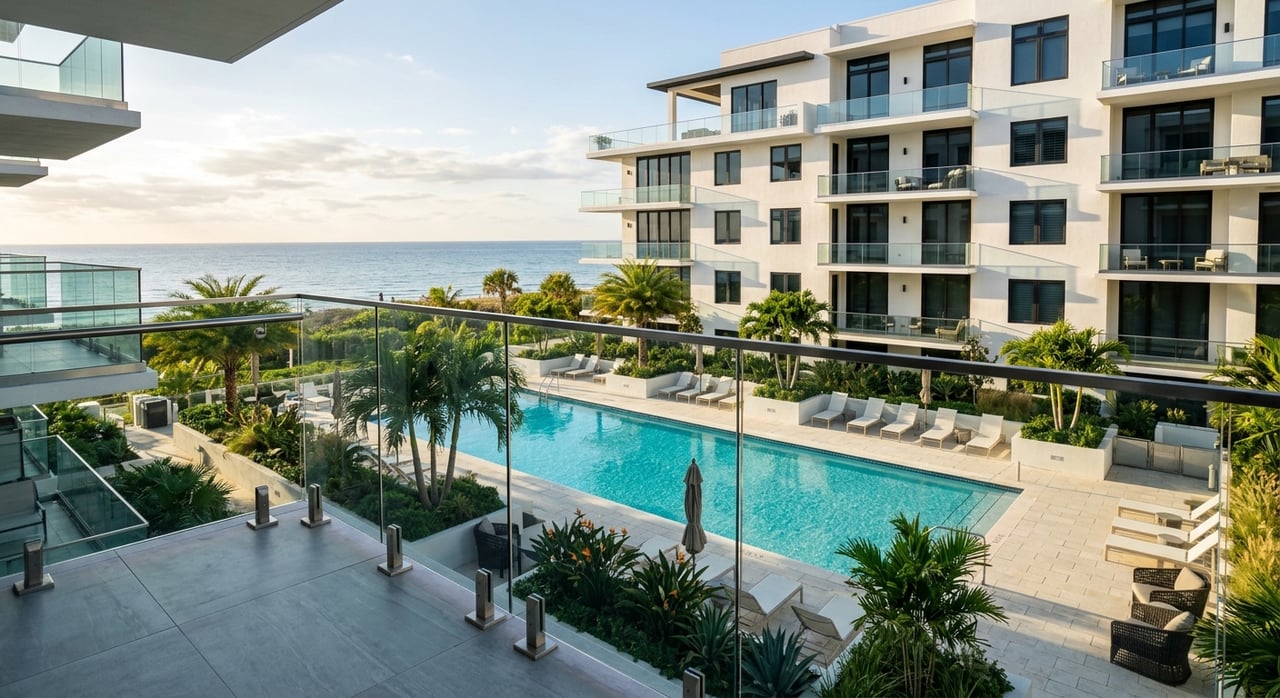
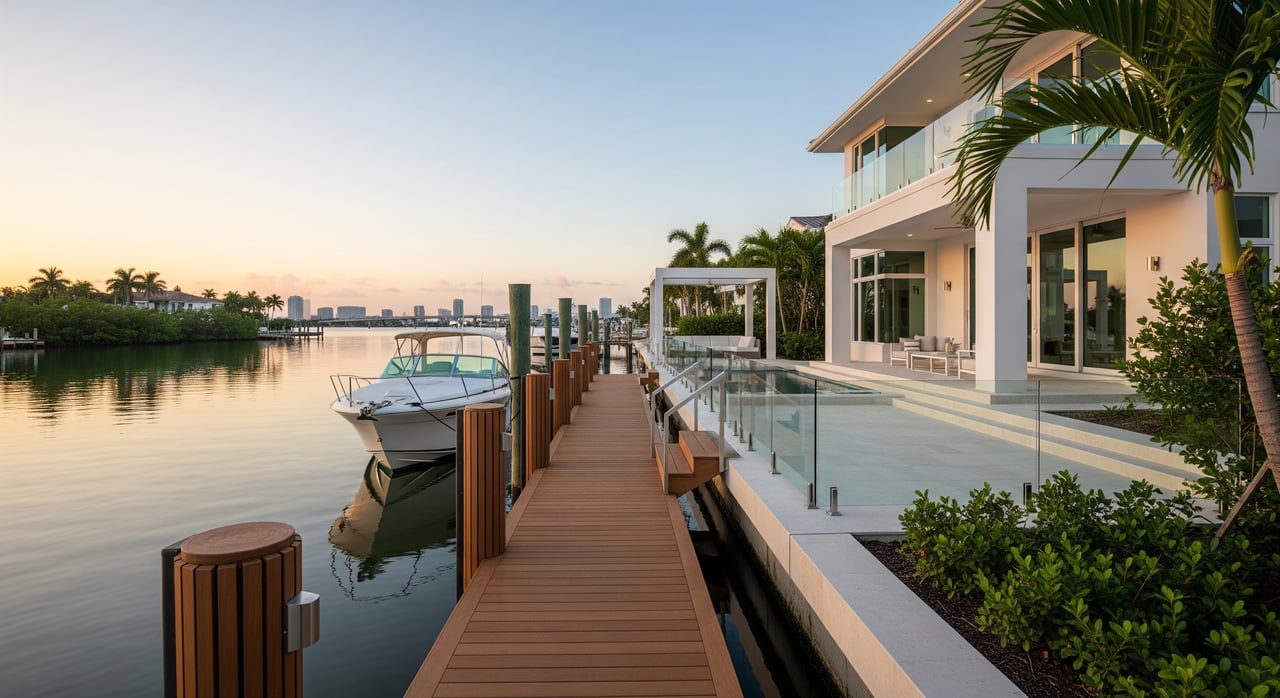
Tampa and Hillsborough County offer luxury waterfront single-family homes and high-rise condos in areas like downtown, Harbour Island, Davis Islands, and Tampa Heights. Condo purchases often trigger extra underwriting steps around the building’s financials and insurance. Even near the conforming threshold, some buyers use jumbo or portfolio financing because agency condo rules can be restrictive.
Local property risks also matter to lenders. Flood zone exposure, hurricane and wind risk, and homeowners insurance availability in Florida can influence underwriting, closing timelines, and your total monthly payment. Unique or custom features can complicate appraisals and may require additional valuation review.
Jumbo programs usually cap loan-to-value ratios lower than conforming loans, which means larger down payments. For primary residences, many lenders allow up to 80 to 90 percent LTV depending on your credit profile and documentation. Second homes and investment properties often require more conservative LTVs, commonly 70 to 80 percent.
Lenders tend to prefer higher credit scores for jumbo financing. Mid-700s often unlock the best pricing, though some programs accept scores down to the high 600s at higher rates or fees. Target debt-to-income ratios often sit at or below 43 percent, with flexibility for strong compensating factors. Expect 6 to 12 months of mortgage payments in reserves for a primary residence and more for a second home, investment property, or certain condo projects.
Jumbo lenders usually require a full interior and exterior appraisal. High-value, waterfront, or unique properties may need a second appraisal or a review appraisal to confirm value. Appraisal reviews are often stricter when comparable sales are limited.
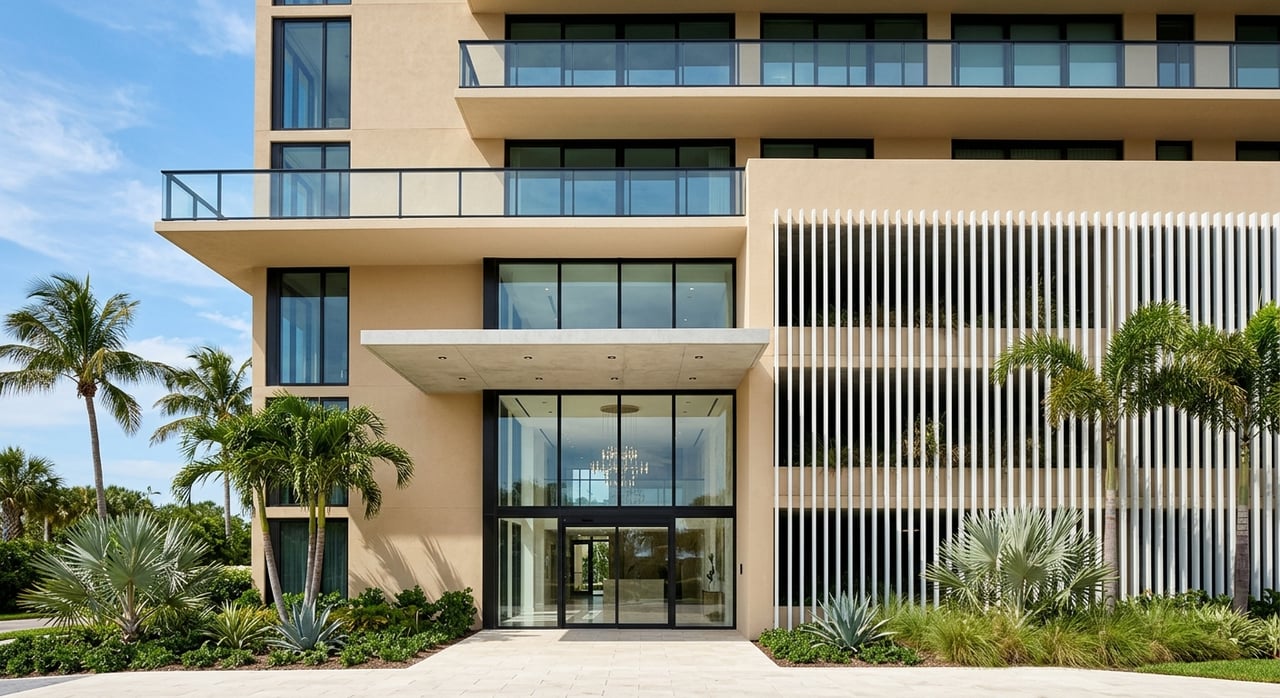
Condo buildings are reviewed for owner-occupancy mix, reserve funding, insurance coverage, commercial space percentages, HOA dues delinquency, and any litigation. Agency programs can be restrictive for some projects, while jumbo and portfolio lenders may be more flexible with larger down payments or higher reserves. For a reference on how agencies view condo projects, see Fannie Mae’s project standards.
Some lenders offer bank-statement programs for self-employed borrowers or asset-depletion approaches that convert liquid assets into a qualifying income stream. These programs usually come with higher rates, larger down payments, and stronger reserve requirements.
Provide official account statements that verify post-closing reserves. Retirement accounts can count toward reserves, but lenders often apply haircut or penalty calculations. Ask your lender how they will treat each asset type.
Jumbo rates move with market conditions and lender balance sheets. Sometimes they price slightly higher than conforming loans, and in other periods they are similar or even lower. Your specific profile often matters more than the label: credit score, LTV, property type, and documentation path can all have a bigger impact on your final rate.
For general guidance on comparing mortgage offers, review the CFPB’s consumer resources. When you compare offers, focus on the APR and total fees, not just the headline rate. The CFPB explains APR and how it captures costs.
Significant parts of Tampa and Hillsborough County sit in mapped flood zones. Lenders will require flood insurance if the property is in a FEMA-designated Special Flood Hazard Area. Check the address using the FEMA Flood Map Service Center and request quotes early. Flood premiums can affect your monthly payment and debt-to-income ratio.
Florida’s insurance market is dynamic. Availability and pricing can influence underwriting, especially for coastal homes or older roofs. A wind mitigation inspection can reduce premiums in many cases. For state-level consumer guidance, see the Florida Office of Insurance Regulation.
Underwriters review reserve funding, insurance coverage, owner-occupancy mix, delinquent dues, and litigation. Non-warrantable projects may still be financeable with portfolio or jumbo products, but expect higher down payments or added reserves. Ask the listing agent for the full HOA package early so your lender can review it before you lock.
Waterfront homes may involve specific title and survey matters, such as easements, seawalls, or riparian rights. Your lender may require additional documentation or endorsements. Build time in your contract for these items and the appraisal review.
Hillsborough County property taxes, recording fees, and Florida documentary stamp taxes on deeds will affect your cash to close. Your lender and title company will estimate these costs in your Loan Estimate and Closing Disclosure.
A well-prepared jumbo purchase often closes in 30 to 45 days. Add extra time for condos or coastal properties with complex insurance or appraisal needs.
If a Tampa home at a jumbo price point is on your horizon, start early. Get fully preapproved with at least two lender types, gather condo and insurance documents upfront, and model your full monthly payment including flood and wind coverage. A clear plan keeps your rate lock on track, strengthens your offer, and reduces stress.
Buying along Florida’s Gulf Coast should feel exciting, not overwhelming. If you want local guidance, neighborhood insight, and a calm, step-by-step plan for your next move, connect with Christine Spelman. She will help you navigate property and condo factors and coordinate a smooth path to closing.



Let me help you find it. With access to top listings, a worldwide network, exceptional marketing strategies, and cutting-edge technology, I strive to make your real estate experience seamless, memorable, and enjoyable.